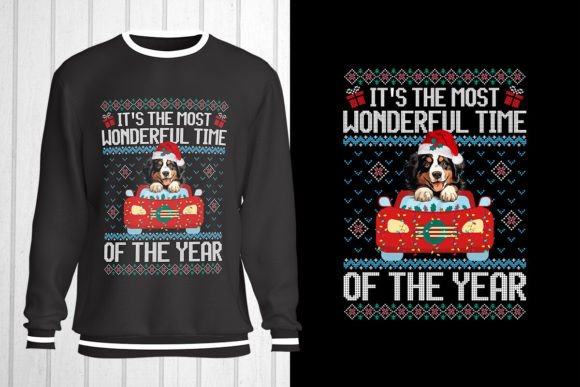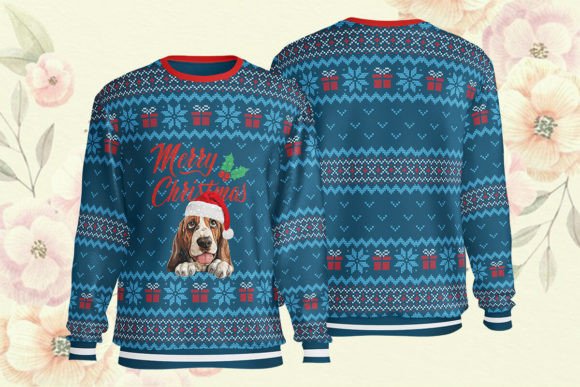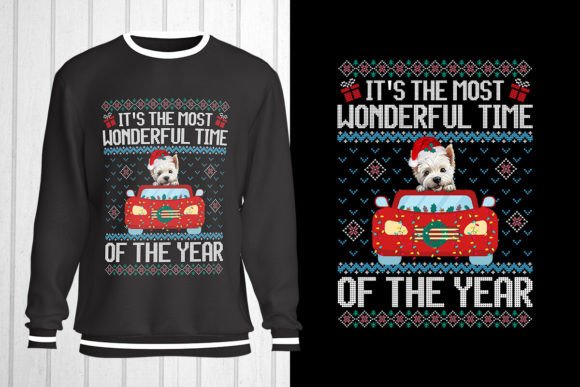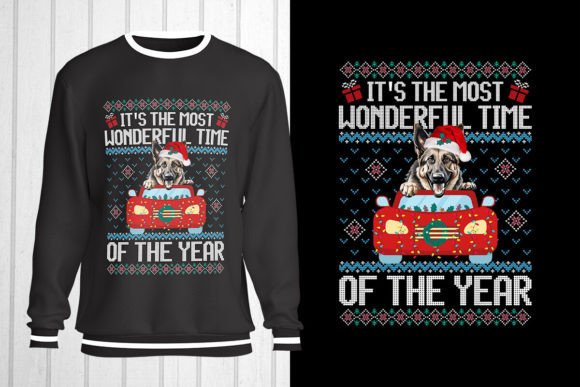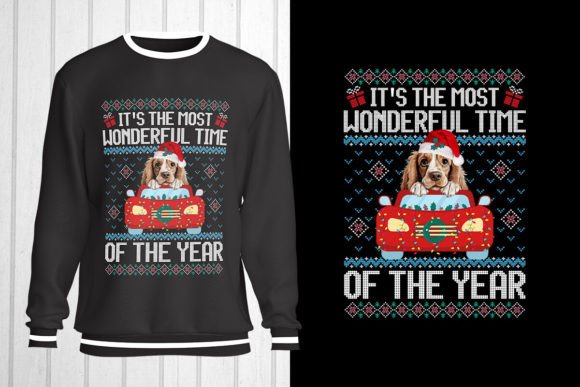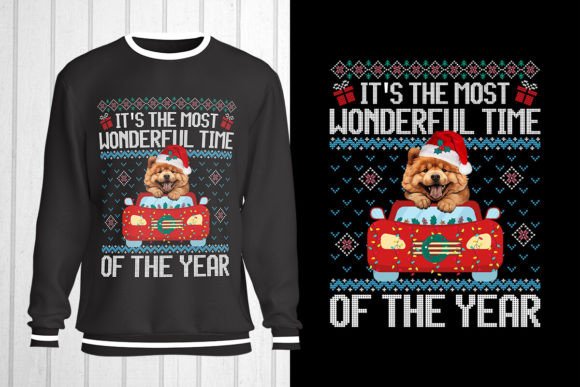
Chow Chow Dog Christmas Ugly Sweater Review
There is a specific kind of magic that happens when you load an embroidery file and the machine begins to stitch. It transforms from a digital image into a tactile object with texture, depth, and personality. Recently, I pulled up Chow Chow Dog Christmas Ugly Sweater to evaluate it for a holiday boutique collection I am building. As someone who has reviewed countless designs for commercial use, my goal isn't just to tell you if it looks cute on a screen, but to explain how it performs in real-world stitching scenarios.
The First Impression: Mood and Visual Personality
When I first opened the design files for Chow Chow Dog Christmas Ugly Sweater, the immediate feeling was one of cozy, chaotic joy. The subject matter—a fluffy Chow Chow—lends itself naturally to embroidery because the breed's signature ruff requires fill stitches that create beautiful texture. Unlike a sleek greyhound or a short-haired terrier, a Chow needs density to look right, and this design seems to embrace that requirement without getting lost in the noise.
The layout feels balanced for apparel decoration. It doesn't scream for attention like some modern graphic tees; instead, it invites a closer look. The concept of the "ugly sweater" theme is timeless for holiday projects, but the execution here avoids looking like a cheap clip-art job. The visual weight is centered, suggesting it will sit well on the chest of a sweatshirt or the front panel of a tote bag. For a designer looking to add warmth to their T-Shirt Designs or holiday collections, this piece strikes a chord between professional polish and homemade charm.
Real-World Application: From Screen to Stitch
I decided to test this design on a few different substrates to see how it would translate to actual finished products. My first project was a custom embroidered tote bag made of heavy canvas. This is a common request for Etsy sellers preparing for the holiday rush. The design held up beautifully against the rough texture of the canvas. The contrast between the dog's fur and the background fabric was crisp, and the satin stitch elements used for the collar details gave the piece a raised, luxurious feel.
Next, I moved to a softer substrate: a baby onesie. Holiday gifts for infants are a massive market, and parents often want something unique rather than mass-produced. When I ran Chow Chow Dog Christmas Ugly Sweater through the machine on this delicate fabric, the results were promising. However, this required careful attention to stabilizer selection. Because the design features dense areas representing the dog's thick coat, using a cut-away stabilizer was crucial to prevent puckering. Once stabilized correctly, the finished product looked incredibly soft and cuddly, perfectly matching the subject matter.
I also considered its potential as a small shop merchandise item, specifically for a patch application. The outline of the design is distinct enough that it could be trimmed and applied to denim jackets or aprons. The color palette, implied by the "Christmas" theme, suggests rich reds, greens, and whites, which pop nicely against dark backgrounds like navy blue or black denim. This versatility makes it a strong candidate for commercial embroidery projects where brand consistency matters.
Navigating Challenges and Limitations
While the design is strong, no single file is perfect for every situation. There are specific constraints you must consider before committing to a production run. One major factor is the hoop size. If you are working with a smaller 4x4 inch hoop, the full composition might get cropped, losing the festive context of the sweater pattern. You need to ensure your intended product allows for the full dimensions of the artwork.
Another challenge lies in fabric texture. While this design works well on sturdy cottons and canvas, it might struggle on highly textured fabrics like bouclé or very thin, stretchy materials without significant reinforcement. On stretchy knits, the density of the fill stitch areas can cause the fabric to pull inward, distorting the shape of the dog's face. In these cases, a high-quality tear-away or wash-away stabilizer is non-negotiable.
We also have to talk about detail resolution. Embroidery is not printing; it cannot reproduce fine lines or tiny gradients. If the original digital art contains extremely small lettering or intricate background patterns, those details may disappear once stitched, especially on darker fabrics where thread visibility is lower. Always inspect the small details in a monochrome preview to ensure they remain legible after conversion to thread colors.
Visual Appeal and Customer Trust
In the world of handmade goods, the quality of the embroidery directly correlates to customer trust. A sloppy stitch job or a design that pucks upon washing can ruin a seller's reputation. Chow Chow Dog Christmas Ugly Sweater offers a clean vector structure that minimizes the risk of thread breaks and skipped stitches, provided the machine is properly threaded. This reliability translates to a professional presentation that buyers expect when purchasing a personalized gift or a boutique item.
The design also enhances the perceived value of the final product. A simple print on a shirt is common, but a high-quality embroidered piece with texture commands a higher price point. Customers appreciate the craftsmanship involved in creating a handmade product that feels substantial. The festive nature of the design adds emotional value, making it an ideal choice for holiday gifts, nursery decor, or wedding favors where a touch of whimsy is welcome.
Practical Designer Notes for Success
Before you start selling or gifting items featuring this design, there are several technical steps you must take. First and foremost, always test the design on scrap fabric that matches your final material. This allows you to check the thread colors and ensure the contrast is sufficient. What looks vibrant on a monitor might appear muddy on a dark fabric if the wrong thread shade is chosen.
Review the stitch density carefully. High-density designs require more time to stitch and can sometimes overwhelm lighter fabrics. If you notice the design taking too long or the fabric bunching up, consider reducing the density settings in your digitizing software. Additionally, confirm whether the design includes any specific instructions for applique or if it is purely a stitch-based design. If it involves applique, you will need to source matching fabric pieces, which adds complexity to your workflow.
Don't forget to check the licensing terms. Whether you are creating digital embroidery files for resale or selling physical custom apparel, you must verify what rights come with the purchase. Some licenses allow for unlimited commercial use, while others restrict the number of units you can produce. Ignoring this step can lead to legal issues down the line.
Finally, think about the end-user experience. Will the garment be washed frequently? If so, ensure the design is durable enough to withstand the cycle. Dense fill stitches generally hold up well, but loose running stitches might fray over time. By paying attention to these details, you ensure that your embroidery project remains a cherished item for years to come.
In conclusion, Chow Chow Dog Christmas Ugly Sweater is a versatile and charming addition to any designer's library. It balances seasonal cheer with technical feasibility, making it suitable for everything from small hobbyist projects to large-scale craft business operations. With proper testing and attention to detail, it can help you create memorable finished products that customers will love.