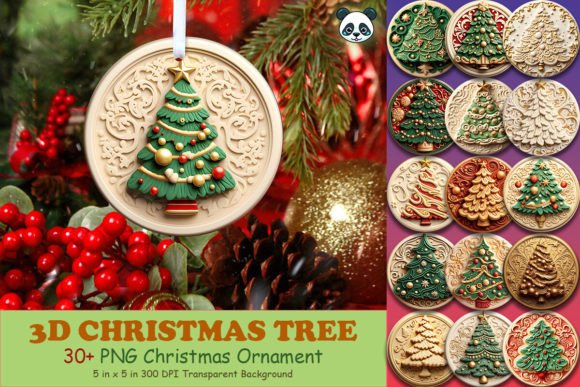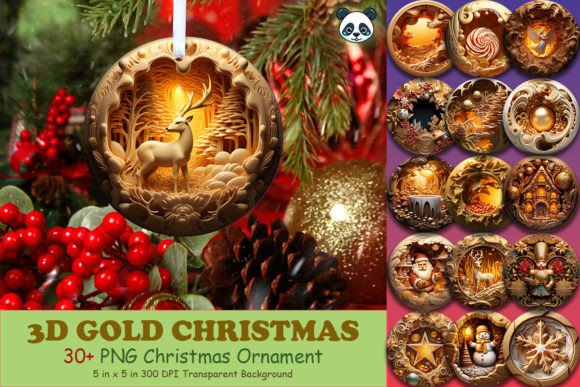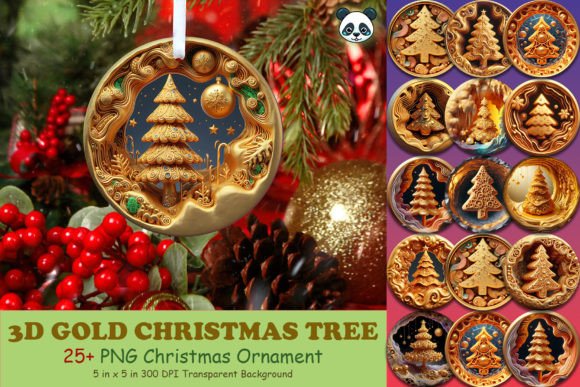
Gold Christmas Tree 3D Ornament Bundle Review
As a designer who spends more time troubleshooting stitch density than actually drinking coffee, I approach every new embroidery file with a mix of hope and skepticism. The market is flooded with generic holiday motifs, but the Gold Christmas Tree 3D Ornament Bundle caught my eye not because it promised to be "the best," but because it looked like it had a specific personality. When you are running a small shop or preparing for a busy craft fair season, you need designs that translate well from a digital screen to a physical object. This review breaks down how this bundle performs in real-world scenarios, from custom apparel to boutique home goods.
First Impressions: Mood and Visual Personality
The moment I opened the folder, the design didn't feel like a standard clip-art tree. It carries a distinct luxury vibe. The use of gold tones suggests warmth and elegance, making it perfect for high-end holiday embroidery projects rather than just basic children's wear. The layout feels balanced, with enough negative space to breathe but sufficient detail to justify a premium price point on a finished product.
Visually, the design relies heavily on the interplay between satin stitch for outlines and fill stitch for volume. This combination creates that coveted "3D" look mentioned in the title. It isn't trying to be photorealistic; instead, it uses texture to suggest depth. For a handmade product seller, this is crucial. Customers can see the dimensionality even in a flat photo, which translates directly to higher perceived value when they receive their personalized gift.
Real-World Application: From Screen to Stitch
I decided to test the Gold Christmas Tree 3D Ornament Bundle on a few different substrates to see how it would hold up under pressure. My first stop was a heavy cotton canvas tote bag. The design anchored itself beautifully without causing the fabric to pucker. The density was just right—thick enough to cover the weave of the canvas but light enough to remain flexible.
Next, I moved to a soft fleece sweatshirt. Here, the stitch density became a critical factor. On stretchy fabrics, too much fill can cause the garment to ripple after washing. Fortunately, this bundle seemed calibrated well for medium-weight knits. The gold threads popped against the dark background, creating a striking contrast that immediately elevates a plain sweatshirt embroidery job into something that looks professionally branded.
I also tested it on a white baby onesie. The delicate nature of the ornament shape worked surprisingly well here. It felt less like a bulky patch and more like an integral part of the garment. This makes it an ideal candidate for baby embroidery where comfort and aesthetics must coexist. The clean lines meant there were no sharp edges to irritate a baby's skin, a common complaint with poorly digitized holiday designs.
Where This Design Shines
- Tote Bags and Aprons: The robust structure holds up well on durable fabrics used for kitchen towels or shopping bags.
- Holiday Gifts: The festive theme is universally appealing, making it a safe bet for commercial embroidery clients looking for seasonal items.
- Patches and Applique: While primarily a machine embroidery design, the clear outline makes it easy to add as an applique design if you want to layer it over a contrasting fabric base.
- Boutique Branding: For Etsy sellers or owners of a small shop product line, this design adds a cohesive, polished look to your inventory.
Critical Considerations and Potential Pitfalls
Even a great embroidery project has its limitations. As an experienced reviewer, I have to point out where the Gold Christmas Tree 3D Ornament Bundle might struggle. If you are working with very small hoop sizes, such as those found on cap frames or narrow cuff areas, you may find the details get lost. The "3D" effect relies on thread movement, which requires a certain amount of surface area to shine.
Fabric texture is another major variable. While it works well on smooth cottons and poly-blends, textured fabrics like chunky wool or bouclé can obscure the finer details of the ornament. The thread colors might blend into the background, reducing the visual impact. Additionally, on thin or sheer fabrics, the stabilizer requirements become more complex. You will need a strong cut-away stabilizer to prevent the finished product from distorting over time.
Dense stitch areas can also be tricky on curved surfaces like baseball caps. Without proper tension adjustments, the gold threads might pull the fabric inward, creating a distorted shape. If you are planning to sell these as custom apparel, always run a test on the actual garment material before committing to a bulk order.
Impact on Product Value and Customer Trust
In the world of craft business, the quality of the stitching speaks volumes about your brand. A sloppy machine embroidery design can ruin an otherwise beautiful item, leading to returns and bad reviews. Conversely, a crisp, well-executed design like this one builds immediate trust.
When a customer sees the Gold Christmas Tree 3D Ornament Bundle stitched perfectly on a pillow cover or a kitchen towel, they perceive the entire item as more valuable. The gold threads catch the light, adding a touch of sophistication that mass-produced prints simply cannot match. This attention to detail is what separates a hobbyist maker from a professional creative entrepreneur. It allows you to charge a premium for your digital product previews and mockups because the final result promises consistency and quality.
Practical Designer Notes for Success
Before you start stitching, there are several steps you must take to ensure success. First and foremost, test the design on scrap fabric first. Every machine and every batch of thread behaves differently. Check the thread color contrast by placing your chosen spools next to the design preview to ensure the gold stands out against your background fabric.
Review the stitch density carefully. If the design feels too dense for your intended fabric, consider adjusting the settings or using a lighter weight stabilizer. Confirm your hoop size matches the design dimensions; forcing a large design into a small hoop often leads to registration issues. Inspect small details under good lighting to ensure no tiny elements are missing or broken.
It is also wise to test the design in black and white mockups. Sometimes, color distractions hide structural flaws in the digitization. Compare how the design looks on both light and dark fabric backgrounds to ensure versatility. Use proper stabilizer for the specific fabric type you are using—this is non-negotiable for professional results.
Finally, verify whether the design works for both personal and commercial embroidery projects. Check the licensing terms thoroughly before selling finished items or offering the embroidery file as a design asset to other makers. Understanding the legal boundaries protects your craft business and ensures you are operating ethically.
The Gold Christmas Tree 3D Ornament Bundle is a solid addition to any embroidery project library. It offers a blend of festive charm and modern elegance that fits seamlessly into a variety of products, from embroidered patches to tote bag design projects. With careful testing and proper execution, it can help you create standout pieces that customers will love and remember.