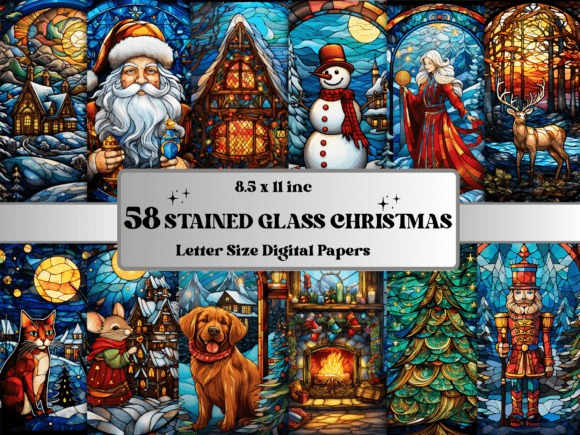
Stained Glass Christmas Digital Paper Review
As a designer who has spent years navigating the intricate world of machine embroidery, I often find myself standing at the crossroads of digital creativity and physical reality. There is a specific thrill in selecting a new digital embroidery file that promises to elevate a project from simple craft to boutique-quality art. Recently, I had the opportunity to evaluate Stained Glass Christmas Digital Paper, a product falling under the Backgrounds category. My goal was not just to admire the visual concept but to stress-test its viability for real-world applications, from custom apparel to small business merchandise.
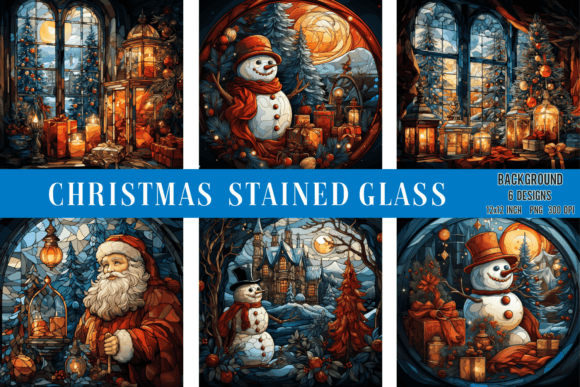
The first impression of Stained Glass Christmas Digital Paper is one of immediate atmosphere. It does not scream for attention; rather, it whispers with the quiet elegance of a cathedral window. The design creates a mood that is festive yet sophisticated, relying on the interplay of light and shadow to define its shape. For an embroidery designer, this is crucial. Many holiday designs lean heavily into cartoonish cheer or cluttered patterns, which can sometimes feel cheap when stitched onto high-end fabrics. This piece, however, feels like it belongs in a curated collection. The layout suggests a stained glass motif where the "paper" acts as a canvas for the thread colors to mimic the lead lines and vibrant panes of glass.
I decided to put this design through a practical scenario: creating a line of personalized gifts for a local boutique. The client wanted something unique for their holiday market—a custom embroidered tote bag and a set of kitchen towels that would serve as both functional items and decorative pieces. The challenge was to make the design stand out without overwhelming the fabric's texture. When I laid out the mockups, Stained Glass Christmas Digital Paper proved to be an excellent choice for a background element. It provides a rich, textured look that anchors the design, allowing other elements like monograms or smaller motifs to pop against it.
Real-World Performance on Various Fabrics
In my experience, the success of any embroidery project hinges on how well the design adapts to the substrate. I tested the concept of this design across several common materials used by Etsy sellers and small shop owners. On a sturdy canvas tote bag, the design translated beautifully. The implied lead lines of the stained glass effect create a sense of depth that works exceptionally well on flat, woven surfaces. The contrast between the "glass" areas and the structural lines helps maintain clarity even when viewed from a distance.
However, moving to softer substrates required more consideration. When applied to a sweatshirt or a baby onesie, the density of the design becomes a critical factor. If the design relies too heavily on dense fill stitches to simulate the heavy look of glass, it can cause the fabric to pucker, especially on stretchy knits. In this context, Stained Glass Christmas Digital Paper works best if the stitch density is balanced. For apparel decorators, I recommend using a cutaway stabilizer to ensure the design holds its shape without distorting the garment over time. The visual appeal remains high, offering a professional finish that customers associate with quality handmade products.
I also considered its potential for home decor items like pillow covers and aprons. These are staple items for craft business owners during the holiday season. The design's ability to act as a backdrop makes it versatile. Imagine a white tea towel where the Stained Glass Christmas Digital Paper serves as a subtle border or a central panel. The result is a personalized gift that looks expensive and thoughtfully designed. It elevates the perceived value of the item, making it a stronger candidate for higher price points in a boutique setting.
Navigating Potential Pitfalls
No design is without its challenges, and Stained Glass Christmas Digital Paper is no exception. While the aesthetic is strong, there are specific scenarios where caution is advised. One of the most common mistakes I see is attempting to use complex background designs in very small hoop sizes. If the design includes tiny details intended to represent the delicate veins of the glass, shrinking them down for a hat patch or a small accessory can result in a muddy mess. The threads may merge, losing the crisp definition that gives the design its character.
Fabric texture also plays a significant role. On highly textured fabrics like bouclé or thick fleece, the fine lines of the design might get lost entirely. Similarly, thin fabrics can struggle to support the weight of the embroidery, leading to visible puckering on the reverse side. For commercial embroidery projects involving curved surfaces like caps, the design must be carefully digitized to account for the curvature. A flat design might look distorted once stitched onto a rounded crown.
Another area requiring careful planning is color contrast. Stained glass relies on dark outlines to separate the colors. If you choose thread colors that are too similar in tone, the design will lack definition. Conversely, using black outlines on dark fabric can be visually heavy. I always advise testing thread combinations before committing to a full production run. A quick test on scrap fabric can reveal issues with stitch density or color bleeding that might ruin a batch of finished products.
Design Notes for the Professional Creator
For those looking to incorporate Stained Glass Christmas Digital Paper into their workflow, whether for personal use or as part of a handmade product line, here are some essential notes based on practical experience. First, always review the stitch count and file specifications. Since exact details were not provided in the initial product description, you must verify the file format compatibility with your machine. Ensuring the design is optimized for your specific hardware prevents unnecessary frustration during the stitching process.
When preparing for a custom apparel order, consider the end-user. Will they be washing the item frequently? Designs with large areas of satin stitch or dense fills can be prone to snagging or wear over time. If the goal is durability, perhaps simplify the design or use a combination of satin stitch for outlines and fill stitch for the colored sections to reduce bulk. For holiday embroidery projects, the seasonal appeal is undeniable, but ensuring the design is timeless enough to last beyond the immediate season adds long-term value.
Testing in black and white is another invaluable step. By converting your digital preview to grayscale, you can assess the contrast and hierarchy of the design elements. Does the background dominate the foreground? Is the composition balanced? This step helps catch issues before you ever load a spool of thread. Additionally, check the licensing terms thoroughly. If you plan to sell finished items featuring this design, confirm that the license allows for commercial use. Many designers operate on tight margins, and legal clarity is as important as artistic merit.
Finally, think about the presentation. In the age of social media and online marketplaces, the visual impact of your work drives sales. A well-executed Stained Glass Christmas Digital Paper design on a high-quality tote bag or a neatly framed wall hanging can generate significant engagement. It signals to the customer that you care about details, fostering trust and encouraging repeat business. Whether you are a hobbyist looking to create a special gift or a seasoned creative entrepreneur building a brand, this design offers a compelling opportunity to add a touch of classic beauty to modern crafts.
In conclusion, Stained Glass Christmas Digital Paper is a versatile asset that brings a refined aesthetic to embroidery projects. Its strength lies in its ability to serve as a sophisticated backdrop that enhances rather than overwhelms. With proper preparation, thoughtful material selection, and attention to technical details, it can transform simple items into cherished keepsakes. For any designer willing to invest the time in testing and refining, the results can be nothing short of stunning.